The Last of the Titan Web RPGs: Why War of Dragons Still Refuses to Die
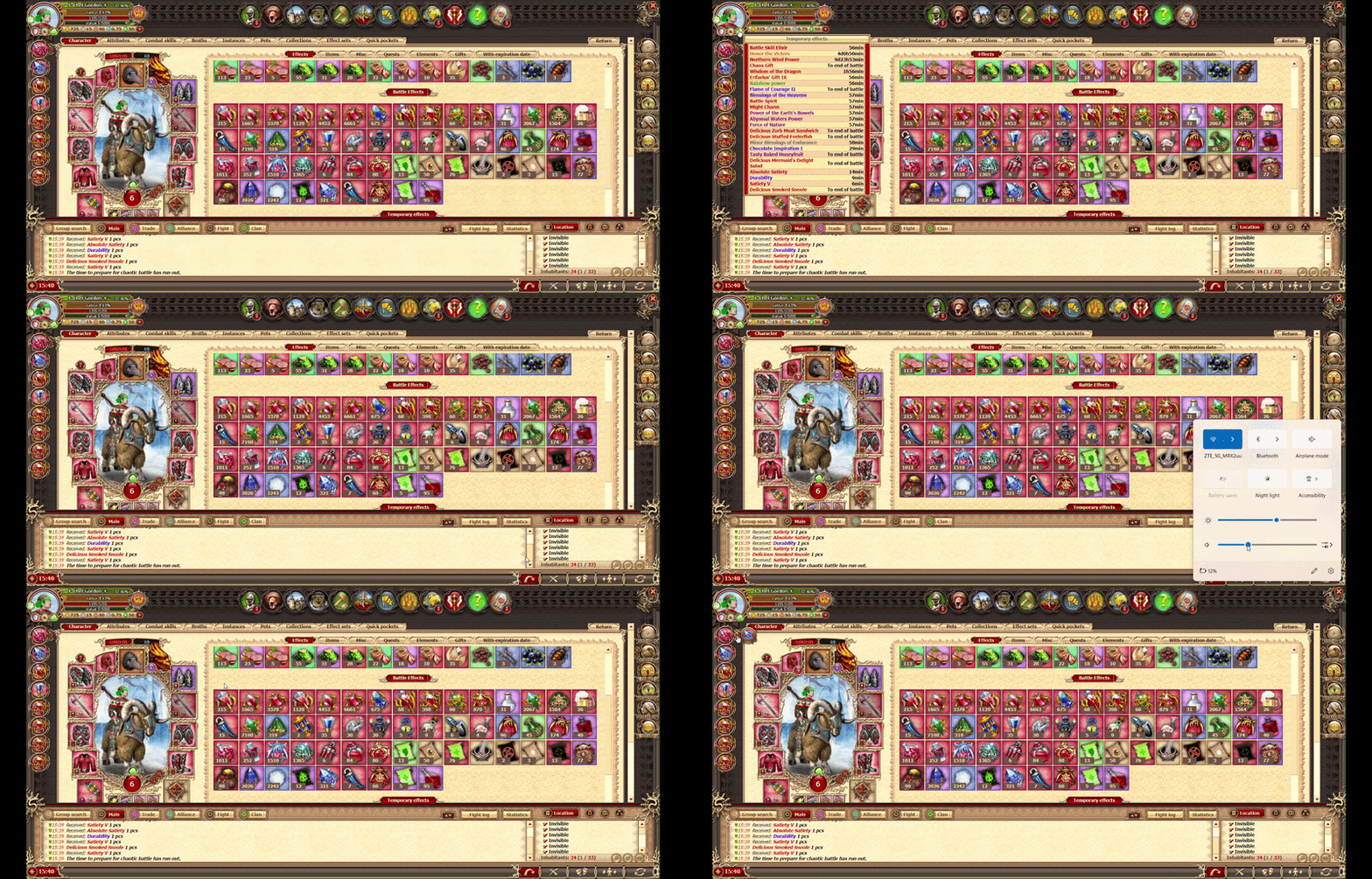
There was a golden era of the internet where your entire gaming universe lived inside a single browser tab. Before massive 100GB clients and battle passes dominated our hard drives, we had text fields, static maps, and sheer imagination.
While most of those classic browser MMORPGs have faded into the digital graveyard, one absolute titan still stands, stubbornly clinging to its crown: War of Dragons (originally Legend: Legacy of the Dragons).
If you’ve ever played it, just hearing the words Faeo, Ogriy, or Khair probably triggers an immediate wave of nostalgia—and maybe a little bit of phantom stress. If you haven't, welcome to one of the most hardcore, deeply strategic, and cutthroat political landscapes in browser gaming history.
Here is a deep dive into why this game was an absolute masterpiece of its time, and how it managed to survive for decades.
The Eternal Blood Feud: Choosing a Side
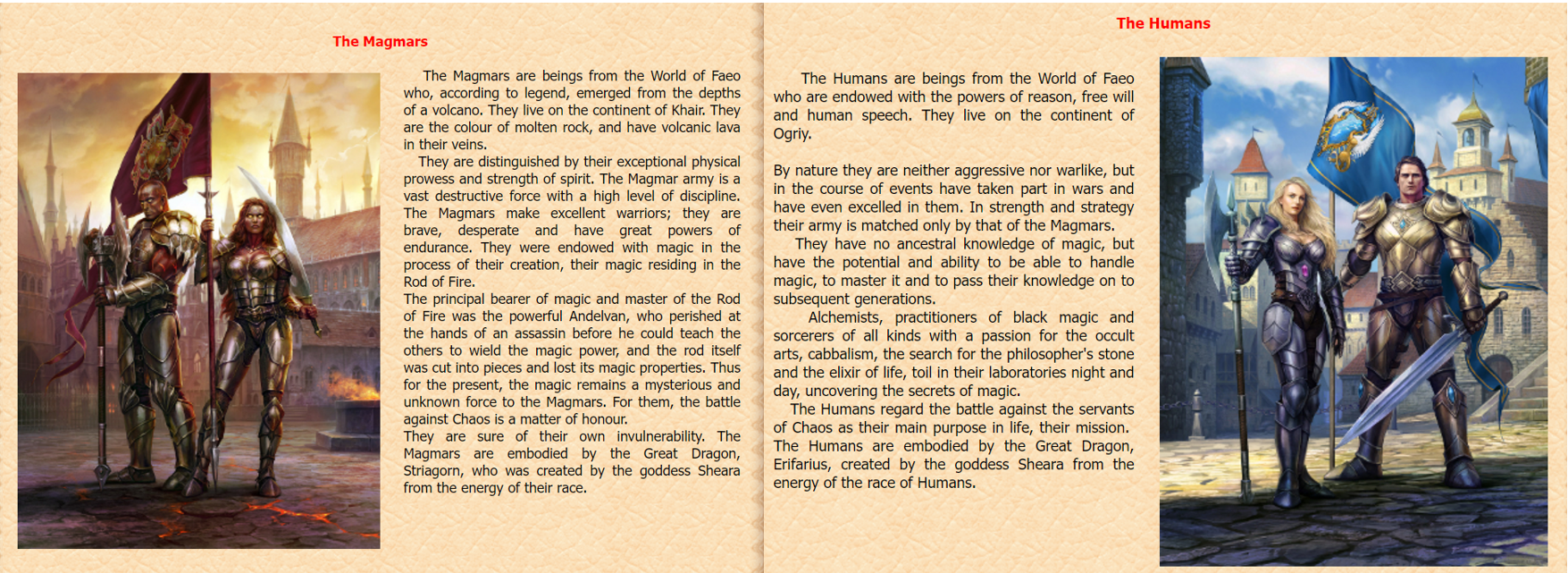
Most modern MMOs give you factions that are visually different but functionally identical. War of Dragons took its faction split entirely seriously. You are either a Human from Ogriy or a Magmar from Khair.
This wasn't just a cosmetic choice; it dictated your entire community, your economy, and your safe zones. If you dared to step onto an enemy continent via a ship or a teleport scroll, you weren't just exploring—you were an active target. Getting ambushed by a high-level enemy player while you were trying to gather herbs was a rite of passage. It fostered a genuine, fiercely loyal faction pride that few modern games replicate.
The Battle Matrix: Forget Autoplay
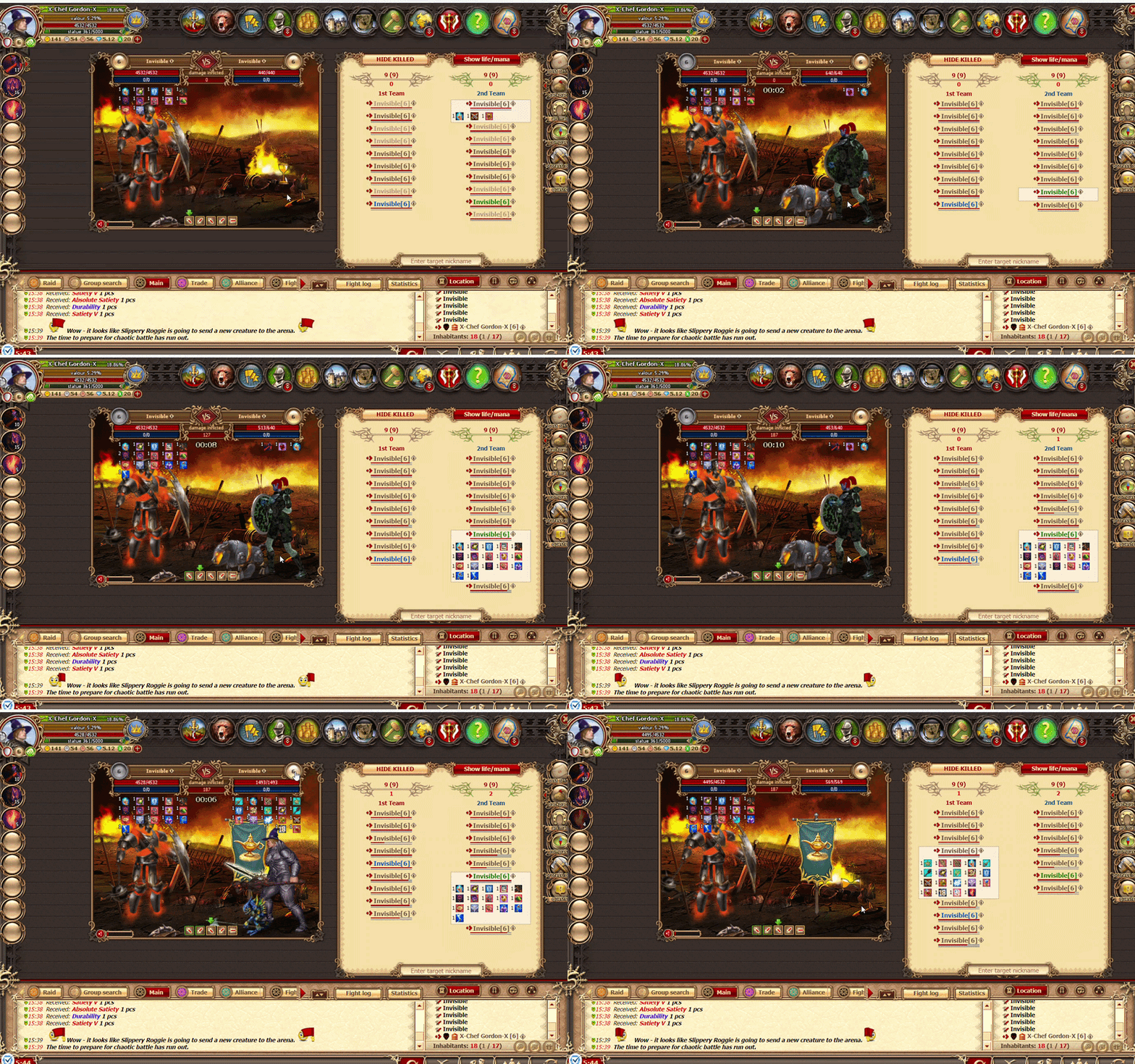
If you expect a game where you click "attack" and watch numbers pop up while you watch a movie on another screen, War of Dragons will break you.
Combat is an animated, real-time, step-by-step chess match. You control a combat grid where you actively choose your strike zones (upper, middle, lower) while anticipating your enemy's stance.
But the real magic? Battles are completely public.
If you get jumped by a massive boss monster or an enemy player, your fight appears as an active icon on the local map. Any player walking through that zone can click your fight, choose a side, and jump straight into the combat grid. A simple 1-on-1 skirmish over a resource node could easily mutate into a massive 50-vs-50 faction war that lasted for hours, with players screaming for reinforcements in regional chat.
Rock, Paper, Scissors... with Heavy Armor
Progression in Faeo doesn't just mean getting "stronger"; it means picking a definitive tactical identity based on your gear style:
- The Bonecrusher: The high-risk glass cannon. Armed with a massive two-handed weapon, their entire goal is to land crushing critical hits to delete the opponent's health bar before they can react.
- The Heavyweight: The unmovable wall. Sporting thick plate armor and shields, they have massive health pools. They don't do flashy damage, but they will slowly, painfully outlast you.
- The Dodger: The frustrating ghost. Wearing light, agile leather, their stats are poured entirely into evasion. They win by making your massive, expensive strikes completely miss.
It creates a perfect tactical triangle where knowing your opponent's build completely changes how you manage your combat elixirs and stance shifts.
A Brutal, Brilliant Marathon
Let's be completely transparent: War of Dragons is not a casual game. It is a grueling, long-form marathon. Leveling up takes immense effort, and the economy is fiercely competitive.
To survive, you have to master the intricate layers of preparation. You don’t just walk into a fight; you spend hours gathering resources via professions (like Herbologist or Alchemist), brewing specialized potions, training combat pets, buying mounts, and stocking up on summon scrolls to drop NPC backup into the grid when a fight goes sideways.
It is high-stakes, high-reward gaming wrapped in a classic 2D interface.
The Verdict: A Living Relic Worth Remembering
In an era where modern games hold your hand, guide you with glowing arrows, and let you pay to skip the actual gameplay, War of Dragons remains a brutal reminder of what web gaming used to be. It is a world built on community, brutal PvP, deep economic reliance, and genuine consequence.
For the veterans, Faeo will always feel like a second home. For curious internet historians, it stands as a brilliant blueprint of how deep a browser game can truly go.